The Evolution of Ladies' Underwear: From Function to Fashion
A Journey Through Time
Ladies' underwear has evolved dramatically over the centuries, transforming from simple, functional garments into sophisticated pieces of fashion that reflect personal style, comfort, and confidence. What began as basic modesty wear has grown into an essential part of everyday attire, with designs that cater to every need—whether it’s for support, comfort, or luxury.
The Early Days: Modesty Meets Simplicity
In the early 1800s, women wore shifts or chemises made from cotton or linen. These loose-fitting garments were practical but offered little support. As fashion trends changed, so did undergarments. By the Victorian era, corsets became the norm, designed to shape the body into the coveted hourglass figure. While corsets provided structure, they were often tight, restrictive, and uncomfortable.
The Bra Revolution: A New Era of Comfort
The invention of the modern bra in 1914 by Mary Phelps Jacob marked a turning point in ladies' underwear. This new design eliminated the need for corsets, offering women more freedom of movement and comfort. The 1920s embraced flapper-inspired styles, with camisoles and boyshorts reflecting a more relaxed and daring approach to fashion.
The Rise of Modern Styles
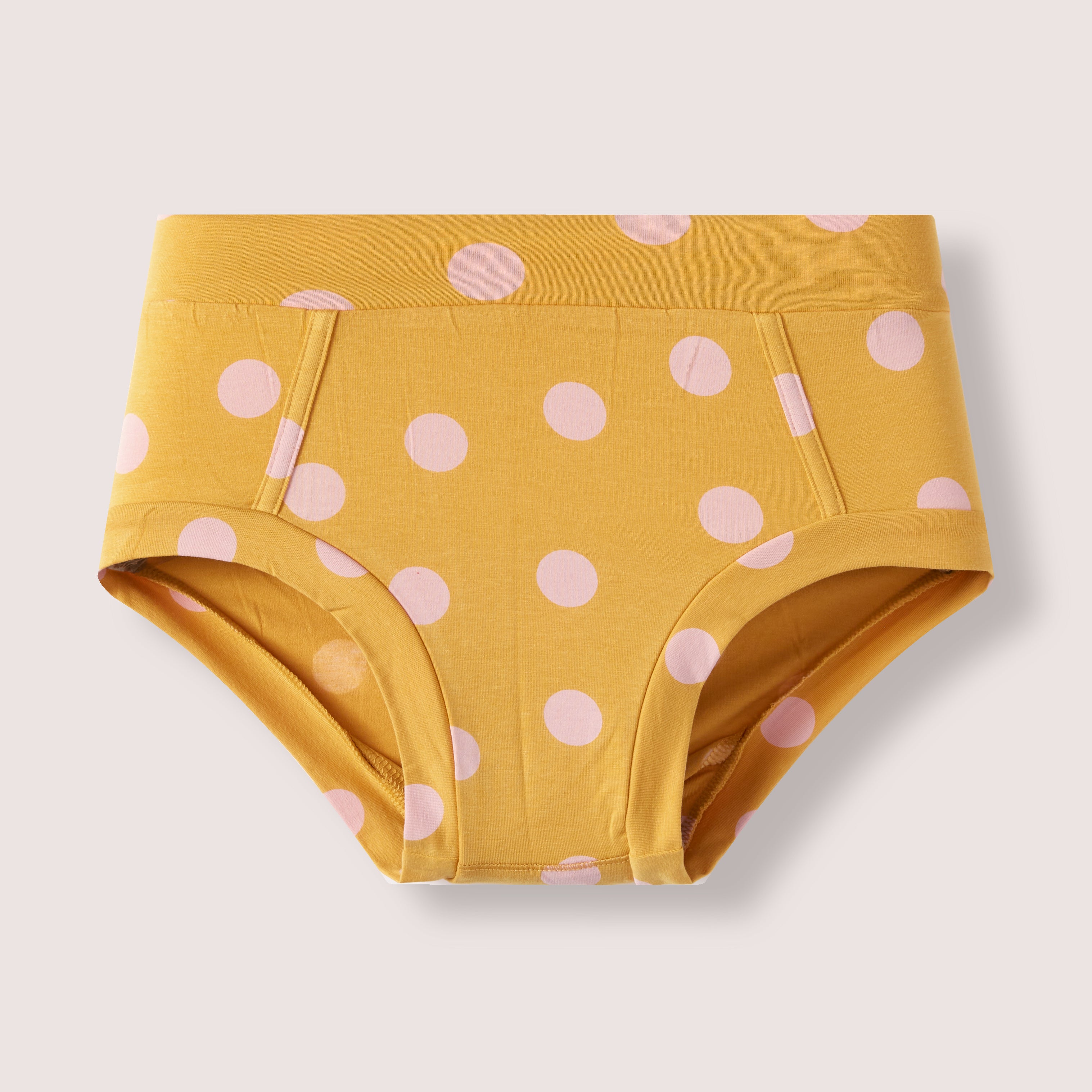
Post-World War II, the fashion industry saw a boom in innovative fabrics and designs. The 1950s brought padded bras and high-waisted panties, inspired by Hollywood glamour. The 1960s and 1970s introduced revolutionary styles like thongs and seamless underwear, driven by the women’s liberation movement and a desire for comfort without sacrificing style.
Today’s Diverse World of Underwear
In the modern era, ladies' underwear is a blend of function and fashion. From lace bras and silk panties to sports bras and eco-friendly fabrics, the options are endless. Today’s lingerie isn’t just about what’s worn underneath—it’s a form of self-expression, confidence, and empowerment.


Comments
Post a Comment